For years, resident safety has been one of the hardest things for senior living communities to demonstrate—and one of the easiest things to simply assume is a given. During a tour, prospective residents and families have the ability to evaluate the dining, care, community culture, and much more. But the problem is that they can’t see the security measures working quietly behind the scenes. They don’t know who has access to the building, how quickly staff can account for everyone during an emergency, or what safeguards are in place to protect residents.
Safest Places to Live™ was created to make that invisible commitment visible.
Safest Places to Live™ (SP2L™) is a national recognition program that recognizes senior living communities demonstrating an exceptional commitment to resident safety. Communities earning the designation have met the program’s seven foundational Standards of Resident Security, reflecting a comprehensive approach to protecting residents through everyday operational processes.
For communities that go one step further, VERIFIED Safest Places to Live™ represents the program’s highest level of recognition. In addition to meeting the seven foundational standards, VERIFIED communities satisfy an eighth standard by actively verifying the credentials of third-party caregivers and outside service providers before they deliver care to residents.
Together, these two designations establish a national benchmark for resident safety—giving families greater confidence and recognizing communities that are raising the standard for safety and transparency.
Why Safest Places to Live™ Was Created
Resident safety has always been a priority in senior living, but until recently there has been no consistent standard families could evaluate across communities.
The senior living industry has also evolved, and third-party care providers routinely enter communities to support residents. These caregivers are brought in by families and other staffing agencies—each operating with their own standards and protocols. This results in a revolving door of external parties providing hands-on care to residents and entering the building. That’s why today, operational transparency and accountability have become just as important as the quality of care itself.
“Security has long been one of the hardest things to truly demonstrate in senior living. It’s assumed to be there, but often lives behind the scenes, out of view for families trying to make important decisions. The operators recognized this year are leading a shift. They are finding ways to bring that invisible layer to the surface and show what a security-first mindset really looks like, giving residents and families greater confidence and peace of mind.”
– Charles Mann, Founder of Accushield
By establishing a national safety standard, Safest Places to Live™ helps families identify communities that are protecting residents through clear, consistent processes.
How a Community Earns the Safest Places to Live™ Recognition
Communities earn the Safest Places to Live™ designation by demonstrating that they have implemented foundational safety standards in many different areas—from visitor accountability and access management to emergency preparedness and information protection.
Let’s dive into the 8-point standard a bit deeper:
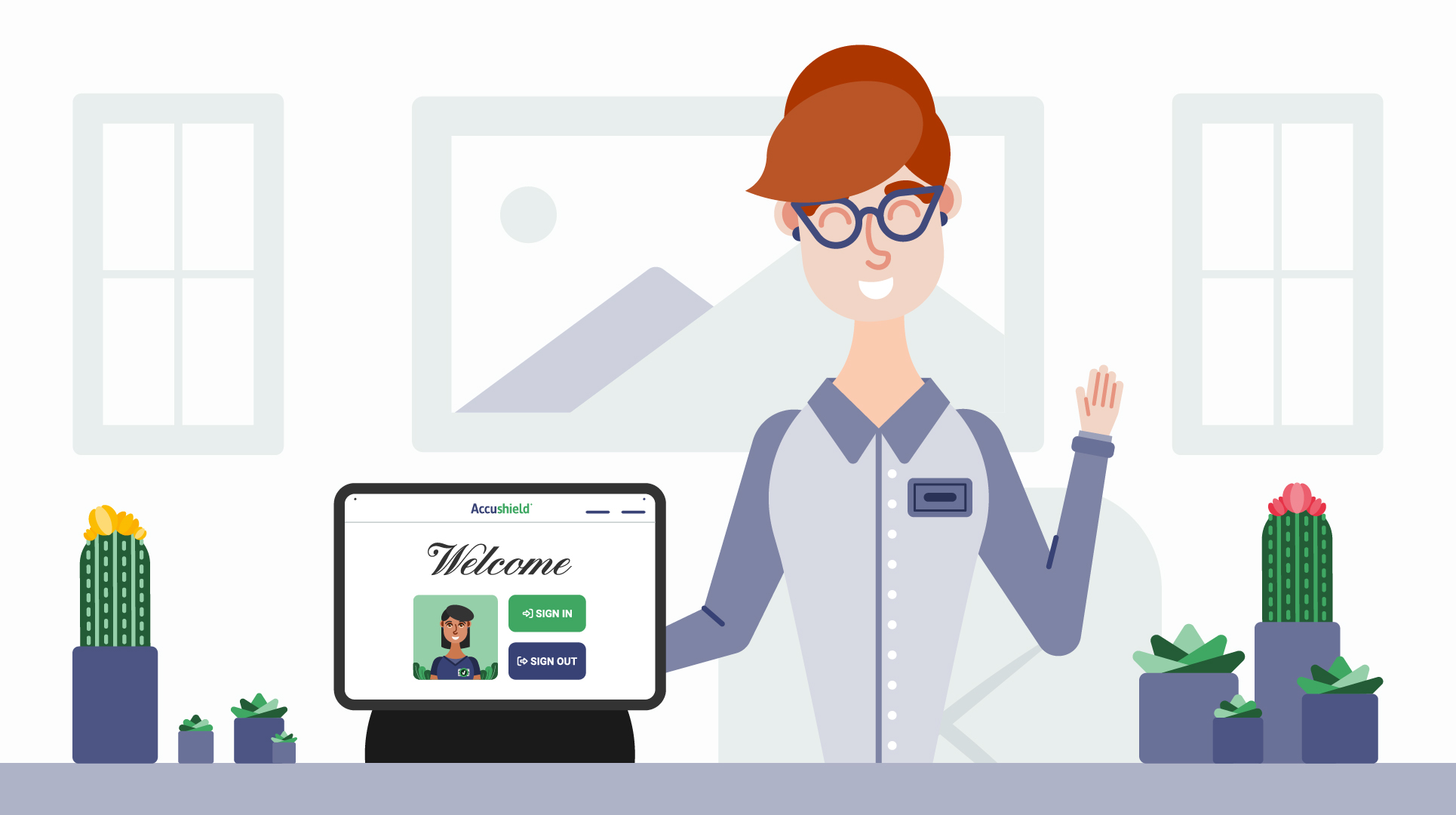
1. Controlled and accountable access addresses the front door and every other entry point. It means knowing exactly who came in, when they arrived, why they were there, and when they left.
2. Visible identification ensures that staff, residents, and families can tell at a glance whether the person walking down a hallway has signed-in. Name badges are one of the simplest and most effective strategies for senior living security.
3. Verified identity and secure documentation moves beyond a signature on a paper log. A handwritten name in a binder is not verification, and in an emergency it is frequently not even legible. SP2L™ communities take identity verification seriously and maintain secure records and visitor images.
4. Real-time awareness means the community can answer the question “who is in the building right now” at any moment, from any device, without assembling the answer manually.
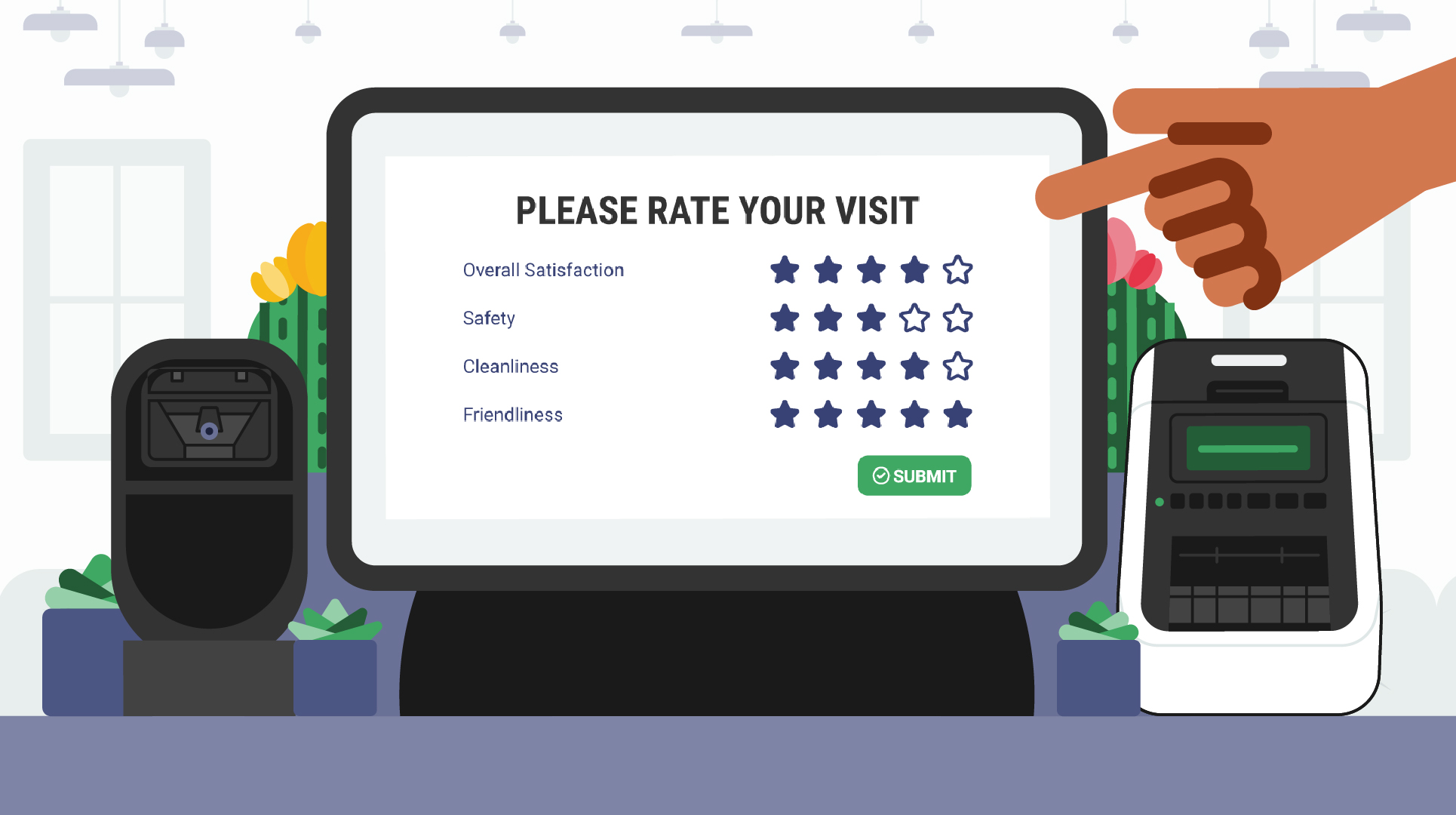
5. Resident and family transparency recognizes that safety includes trust, communication, and visibility for residents and families. SP2L™ communities support visit awareness, including text notifications or real-time visibility when visitors or third-party caregivers check in.
6. Data privacy and protection applies the same rigor to resident and visitor information that the community applies to its physical doors. Access logs, health documentation, and personal details are all sensitive, and protecting them is part of protecting residents.
7. Emergency communication and accountability is where every other standard is tested. During an emergency, a community needs an accurate, instant report of everyone in the building, along with a way to reach the people who need to know.
8. Trusted third-party caregiver credential verification, the eighth standard, is what separates VERIFIED communities from the rest. VERIFIED SP2L™ communities verify that all third-party caregivers and service providers meet defined screening and credentialing standards with completed criminal background checks and required screenings prior to signing in.
What Is VERIFIED Safest Places to Live™?
VERIFIED Safest Places to Live™ represents the highest designation. In addition to meeting the seven foundational standards, VERIFIED communities actively verify the credentials of third-party caregivers and outside vendors. As more services are delivered by external organizations, credential verification adds another layer of resident safety while helping communities ensure that only approved, qualified individuals have access to residents.
Both recognitions celebrate an exceptional commitment to resident safety, but they represent two different levels. A community can run an excellent front-desk operation and still have limited visibility into whether the agency caregiver carries current licensure, insurance, background screening, and health documentation. VERIFIED status closes that gap by maintaining strong credential verification processes.
How Communities Earn VERIFIED Recognition
Communities seeking the program’s highest recognition must first qualify for the Safest Places to Live™ designation. They then complete the eighth standard by establishing a trusted credential verification processes for third-party caregivers. That means verifying documentation for outside caregivers and vendors before they provide services within the community. Depending on the provider type, verification may include professional licenses, insurance coverage, background screenings, company affiliation, and other required credentials.
This additional layer of verification strengthens resident safety while improving transparency and accountability across every partner relationship.
Why Senior Living Safety Recognition Matters
For families, the designation provides an additional level of confidence when comparing communities. It gives them something concrete to evaluate, and it answers a critical question about community safety.
“Finding a community that prioritizes safety as a core pillar of care has given our family our lives back. We no longer worry about ‘what if’ because the security protocols here are proactive.”
– James L. Resident Son
For operators, this national recognition demonstrates a clear commitment to resident safety while helping them stand out as a preferred choice. Occupancy is built on trust, and trust is easier to establish through a nationally recognized standard rather than a verbal promise.
A Growing National Standard
In 2026, 355 senior living operators earned the Safest Places to Live™ designation, with 24 organizations achieving VERIFIED Safest Places to Live™ status.
These communities represent many of the nation’s most respected senior living organizations, and they continue to raise the standard for resident safety across the industry. The SP2L™ program serves as both a recognition of today’s best practices and a roadmap for communities working toward safer, more secure environments.