From the moment a visitor walks through the front door, families are evaluating whether a community is safe, well-managed, and prepared to protect their loved ones. In today’s environment, where third-party caregivers, vendors, and visitors are constantly entering communities, maintaining that balance between safety and a welcoming experience has never been more critical.
This guide explores how modern senior living communities are transforming security into a competitive advantage—and how your community can do the same.
Why Senior Living Security Is a Top Priority
Research consistently shows that safety and security are a top concern for families when searching for senior care. When families evaluate communities, they’re looking for tangible evidence that their loved ones will be protected and well-cared for.
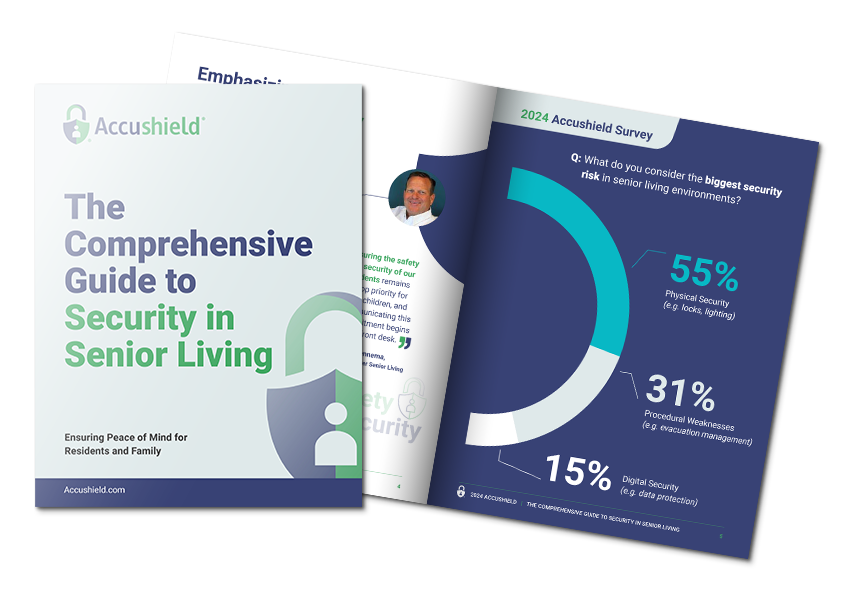
Based on AARP’s Livable Communities Survey, 84% of adults age 50+ consider resident safety and security to be one of the most important factors when choosing a senior living community. This ranked higher than amenities and even cost for many respondents. A similar Accushield survey was conducted among visitors and care providers which +97% of respondents considered security to be very or extremely important in senior living.
“Ensuring the safety and security of our residents remains the top priority for adult children, and communicating this commitment begins at the front desk. Our belief is that a clean, tech-forward front desk goes beyond just impressing guests – it reflects our commitment to prioritizing and strengthening visitor security.”
Keven Bennema – Founder & CEO, Charter Senior Living
For families exploring senior living options, peace of mind is a top priority—they want to know their loved ones are in a secure, well-managed environment. By making safety a core focus, communities not only attract prospective residents but also build trust and confidence among current residents and staff.
The Growing Security Challenge in Senior Living
One of the biggest challenges senior living communities face today is effectively managing the growing number of third-party caregivers working with residents. Right now, the number of Home Health, Private Home Care, and other external service providers entering communities is skyrocketing. While their services are essential, many wouldn’t meet the necessary background check standards putting residents at risk.
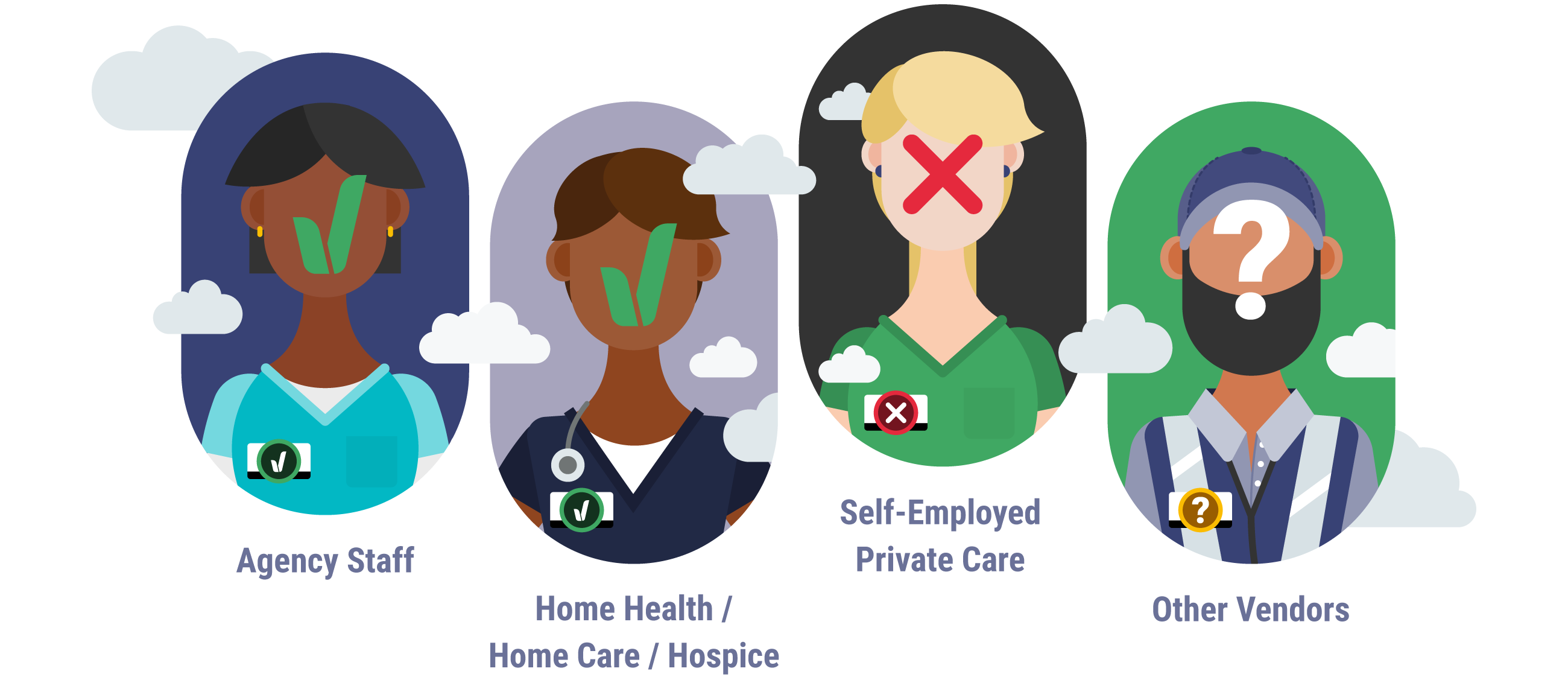
Simply knowing who’s in the building isn’t enough—credential verification is essential for maintaining safety, trust, and excellence in senior living today. Verifying background checks and other critical credentials of third-party caregivers, service providers, and staff ensures that every individual is properly qualified and vetted to work hands-on with residents, preventing exposure to unauthorized individuals and bad actors.
A well-defined verification process also sets the gold standard for safety and excellence that others strive to follow.
5 Essential Senior Living Security Strategies
As the number of visitors, third-party caregivers, and vendors in senior living continues to grow, it’s more important than ever to implement strong security measures. Here are five essential strategies for enhancing security while maintaining a welcoming community environment:
1. Implement Credential Verification for All Care Providers
Credential verification processes help ensure that every professional meets the required qualifications, background checks, and compliance standards before working with residents. Modern technology helps streamline this process by verifying background checks, tracking documents, and alerting staff when credentials need renewal. These processes provide an additional layer of security while ensuring the highest quality care for residents.
By prioritizing credential verification, families and residents gain peace of mind knowing that all third-party caregivers and service providers have been properly vetted and approved, creating a strong sense of security for everyone in the community.
2. Upgrade to a Digital Visitor Management System
Modern visitor management systems provide real-time visitor tracking and identity verification, ensuring communities always know who is on-site. These digital solutions replace outdated paper logs with a more efficient and secure way to monitor guests, vendors, and third-party caregivers.
A well-organized front desk experience also helps create a more welcoming environment while reflecting a clear commitment to professionalism and efficiency. Not only does visitor management technology boost security, it also helps build trust and confidence from families, knowing that their loved ones are in a safe, well-managed environment.
3. Utilize Surveillance and Monitoring Technology
Modern surveillance and monitoring technology play a crucial role in enhancing security within senior living communities. Strategically placed high-definition security cameras help deter potential threats, monitor key areas, and provide valuable footage in case of incidents.
Beyond cameras, additional monitoring tools such as motion sensors, alarm systems, and remote access controls further strengthen security. Regular system maintenance and routine audits are also important considerations.
4. Train Staff and Residents on Security Protocols
To maintain a safe environment, it is important that both staff and residents understand security protocols. Regular training sessions and drills help employees recognize potential risks, respond swiftly to emergencies, and enforce safety procedures with confidence.
Educating residents on best practices—such as identifying suspicious activity, recognizing visitor badges, and understanding emergency response plans—enhance overall safety and preparedness. Conducting routine security drills and previewing appropriate procedures empowers both staff and residents to act quickly and efficiently in critical situations.
By fostering a culture of awareness and preparedness, communities create a proactive security environment where everyone contributes to maintaining safety and peace of mind.
5. Strengthen Emergency Preparedness and Evacuation Plans
Families who entrust their loved ones to a senior living community expect well-established protocols to ensure their safety in any situation, especially during emergency evacuations.
A strong security strategy must also include comprehensive emergency response plans that are clearly documented, routinely reviewed, and regularly practiced through drills. Providing clear instructions and ensuring staff and residents know emergency exits and how to access evacuation lists is essential for swift, coordinated action—potentially saving lives in critical situations.
How to Communicate Security as a Competitive Advantage
A key component of this approach is making security a visible part of daily operations. Through thoughtful communication strategies, they assure residents, families, and staff that safety is a top priority which helps drive occupancy and peace of mind.
Effective communication approaches include:
- Highlight security measures during community tours
- Train staff to explain the benefits of security protocols
- Share testimonials from families who appreciate the added protection
- Demonstrate how security enhances resident quality of life
From digital check-in processes to enforcing name badges for visitors, clear safety efforts help foster confidence from residents, visitors, and staff alike. This proactive approach to community safety also enhances community reputation, by demonstrating a clear commitment to resident safety and care.
The ROI of Senior Living Security
In the competitive senior living industry, communities that demonstrate a clear commitment to resident safety will stand out as the preferred choice for families seeking the best care for their loved ones. These investments protect residents and also drive revenue by strengthening reputation, increasing occupancy, and reducing risk.
- Increase occupancy rates: Families choose communities where they feel their loved ones will be safest
- Improve resident retention: Residents who feel secure are less likely to move
- Enhance community reputation: Word-of-mouth recommendations increase when families trust your security protocols
- Reduce risk & liability: Proper verification reduces risk of incidents involving unqualified caregivers
By prioritizing security, communities position themselves as leaders who truly understand what matters most to residents and their families. Security is more than just a safeguard—it is the foundation of trust in senior living.
Conclusion: Trust Begins at the Front Door
Safety and reliability are key drivers in decision making for prospective residents and their families, and communities that consistently uphold these standards will continuously set themselves apart. By establishing security as a core value, visitor management technology helps communities create trusted environments where families feel reassured, residents feel protected, and staff feel empowered to help ensure the safety of those they serve.