

10 Tips to Reduce Theft in Senior Living
Merriam Webster says security is the quality or state of being secure: such as freedom from danger, fear or anxiety. Security is a very broad term so for our discussion, we will be focusing on theft or more specifically, loss prevention. Depending on where you search, you will find statistics about retail or facility loss that range between 10 and 40%. In fact in retail inventory management, many times there is an acceptable or expected loss. These numbers represent damaged merchandise too but primarily result from theft, perpetrated by both consumers and employees! In other words, most corporations understand and even expect to lose a percentage of their inventory out the front and back door and build this into their budget. In cases of personal property, either belonging to senior living community residents or staff, it is difficult to ask them to have an “acceptable percentage of shrink”. Even more important, in the case of a pharmacy, product accountability is paramount if not even life-threatening.
There are; however, some basic and proven tactics to reduce the occurrence of theft. It is important to point out here that the goal of prevention should not be an expectation since prevention is really a fallacy. That topic is another presentation but in short, our goal is reduction. Going into this process with this mindset along with the understanding of the reporting and prosecution process will save a lot of disappointment and frustration on the back end.
Let’s discuss ten ways to curb theft in your community, beginning with lighting. Interior and exterior lighting sounds elementary but it is still one of our best tools. From the age of building a fire to ward off predators, to illuminate the night and warn off intruders, the practice still holds true today. Interior and exterior lighting is a cost-effective path to deterring theft and aiding in the detection of the crime. The process should not be taken lightly though. Examination of the desired effect should be done regularly to ensure environmental conditions haven’t changed, impacting the area. An example would be surveying the area during daylight and nighttime hours to ensure furniture, curtains or other décor isn’t interfering with the lighting or creating darkened areas which are hard for your cameras to view. The exterior examination would include ensuring tree cover, shrubbery, or parked vehicles don’t create poorly lit areas where criminals may find refuge. Finally, routine inspection includes checking for burnt out or inoperable lighting in need of repair.
We noted trees and shrubbery while talking about lighting but these items are their own category as well. Not only should we ensure foliage doesn’t interfere with lighting, we need to prune these to reduce the natural camouflage they create. Trimming shrubbery below waste level or window sill level allows observation of less common entry points to your facility and parked vehicles. Landscaping should also be trimmed away from the building to provide visibility between shrubs and structure, ensuring we reduce places where someone could hide or even hide contraband. While inspecting the landscaping, don’t forget to check the camera room to ensure tree or plant growth hasn’t covered the desired view or functionality of the camera itself.
Naturally, cameras and recording is our next obvious topic. It is important once again to note cameras are a deterrent to crime but not a prevention tool. They are great observation tools which are also force multipliers, in that one person can monitor several areas from a fixed point. Cameras can be an early detection system to imminent criminal behavior and help in patterning a person’s actions. A preferred addition to a camera system is the ability to record and store footage. This ability turns an observation system into an evidence collection system. Of course, care should be given to resident privacy, who may access video, where the video is captured, and the amount of video or period of time it may be stored for. Modern systems are capable of cloud storage which is potentially infinite in size but can be very costly.
Other potentially high-cost theft deterrent items are locks and alarms. Note that locks and alarms keep honest people honest. If a door is capable of being opened or an alarm is capable of being deactivated, both authorized and unauthorized people may accomplish this. In other words, do not assume locks and alarms keep people out, they only slow people down. This is the primary reason you do not want to go “low bidder” on your locks or alarm. Once you have decided on a lock or alarm, serious consideration about who gets a key or code should be made. Think about it like this; every time you issue a key or provide an alarm code, you have punched a hole in a door. If you issue enough keys or punch enough holes in that door, eventually that door is no longer able to do its job. This is also why regular key inventory and alarm code updating is imperative. No matter how hard we try, someone is going to loan out their key or give a co-worker their passcode. This will probably be out of convenience and without malice but we all know the mantra “then they told two friends, etc.” Stamping your keys with “Do Not Duplicate” or buying locking systems that require security keys and having a regular alarm passcode change will dramatically reduce the holes in your doors.
Since I mentioned inventory, let’s discuss inventory management for some of your other assets. Routine inventory, even for non-retail establishments is an important tool for theft reduction. First, it demonstrates to your staff and residents that you are monitoring and aware. Let’s face it, some will steal not because they need but simply because it’s easy and they think they can get away with it. A regular inventory process reduces the likeness of a tablet, stapler, or a bottle of pills disappearing. Of course, these items are only examples and I do not expect you to start inventorying each stapler or post-it pad. You should; however, have a routine inventory process of all asset property (large dollar), medication, or food. I mention food from experience. My wife worked on the food preparation side for a senior living community and very quickly noticed large amounts of food missing from the kitchen. It wasn’t long after relieving an employee of their job for other reasons when they discovered some of this food in her locker.
The staff locker point leads us to personal property storage. Your community should, at a minimum, provide and encourage use of employee lockers. Telling your staff not to bring their valuables such as phones or purses into the facility only encourages them to store these items in their cars. We will talk more about parking lot security soon but this is not the best practice. Ideally, staff should have a secure area where they can store their property and reasonably retrieve these items during breaks or throughout their shift. Securing these items reduces the chance they may disappear if left at a desk or workstation and also reduces the chance of a resident acquiring something they shouldn’t have such as medication from an unattended purse. Resident storage of valuables is also important for your community. There is no doubt some of your residents will have items they want to use regularly such as jewelry but a safe storage system for large collections or high-value items should be considered. Ensuring the residents or family establish and monitor the inventory of these items is also important. An easy method is photographing jewelry or other property. This also aids in identifying the property if it is lost as well as the prosecution process in criminal cases.
While most of these topics may be common practice for your community, I suggest parking lot security is likely something that is not currently in your plan. Vehicle burglary and/or theft is a concern for guests, vendors, and employees. Encouraging all your guests to lock their vehicles and instituting routine physical monitoring of parking lots will deter theft and improve reporting capabilities of suspicious activity. Using the cameras discussed earlier to monitor activity in your parking areas will alert you to suspicious behavior and possibly other concerns such as elopement and unwanted employee activity on breaks. Early detection of suspicious persons on your property may actually “prevent” (even though we understand the caution in using that word) criminal activity from occurring. Although it is not a topic of this subject, if you have a parking lot, you will have a vehicle crash; that is a guarantee. Hopefully it’s minor and doesn’t involve a pedestrian but in either case, a video recording of the event will help in reconstructing that event, identify the at fault party, and potentially reduce liability for the community.
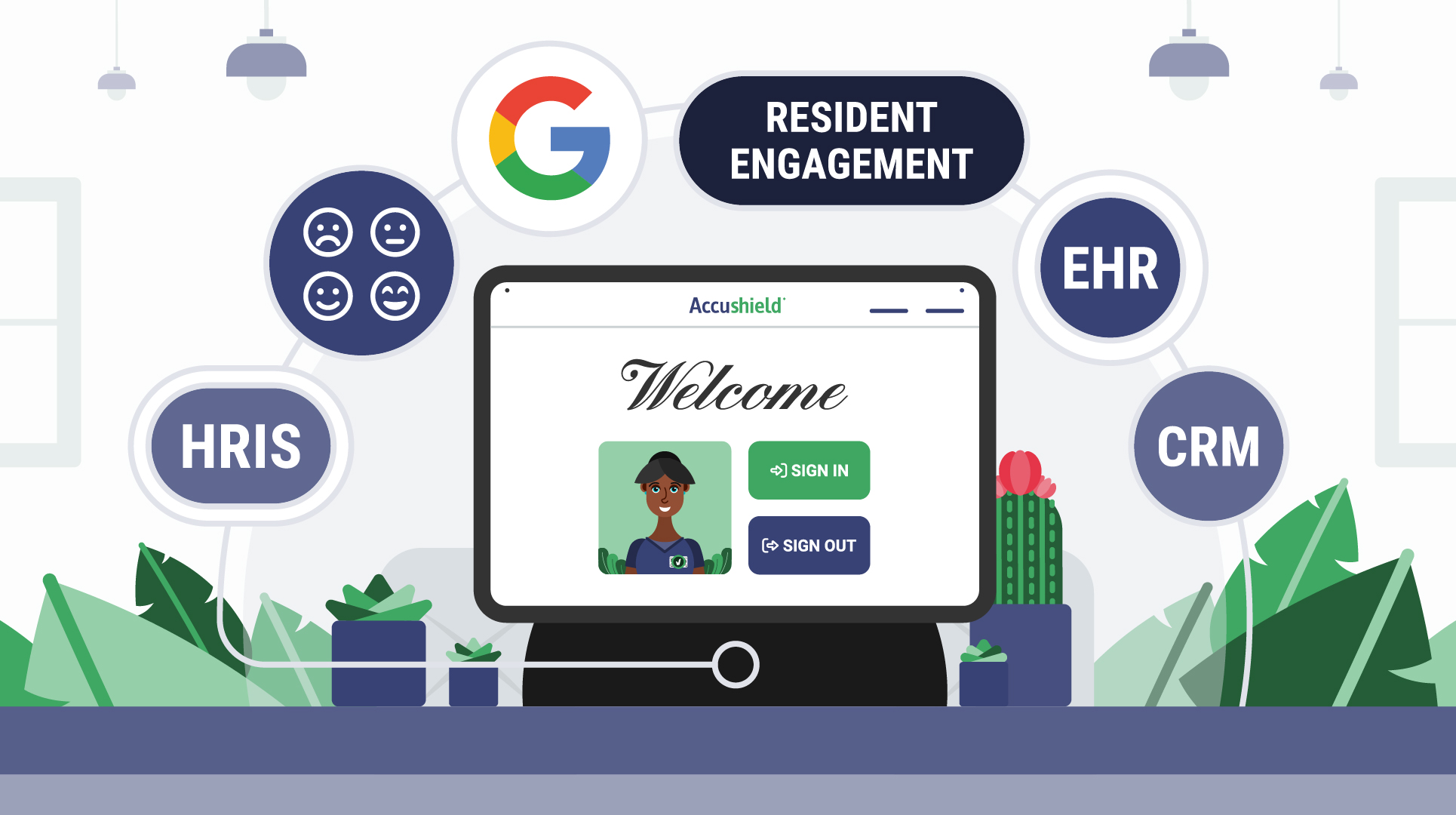
Our ninth item in the top ten list is visitor management. Let’s assume you have a solid staff who has passed all the checks and abide by your policies fervently. We will also say that you have locked up valuables and complete monthly inventory on all critical and semi-critical assets. Finally, we will declare we are observant of suspicious behavior, fluid with the reporting process (which will be discussed next), and maintain a good working partnership with local law enforcement. In spite of all your work there is still a fly in the ointment; visitors. Tracking vendors, family, and caregivers’ ingress and egress from your facility will fill that gap. In retail management, you may have noticed being quickly greeted by a worker upon entering a store. This is, of course, to make you feel welcome but the corporate secret here is it is also a way to say “I see you and know you are here”. It is the subliminal way to tell someone with ill intent, I’m watching you. If you have no ill intent, you probably thought nothing of it but the person who wants to come in and leave with some extras in their pocket now feel uncomfortable. I am not suggesting you put someone in a yellow vest at the front of your community but I will recommend a system to record or check in/out visitors to your community. Accushield is an available tool which does just that. It provides a greeter of sort that asks for a name of everyone entering, asks what your business here is, captures a picture of the guest and does this without making you feel like there’s a car salesman running across the lot to give you the deal of the day! A system such as Accushield records when a person arrived and left, also helping your community during more concerning events such as evacuations, giving your administrators the ability to report to first responders the roll call of everyone we are accountable for. Ultimately, knowing who is on your premises or in your community is the root of crime prevention (for lack of a better word).
The final tip we will talk about is a solid tool recommended by many experts in the field which is the buddy system. Often, theft happens when one employee is alone in a facility, store, pharmacy, etc. Experts recommend having two employees work critical areas where money is handled, medication is distributed, or other valuables are moved. Having two employees not only encourages good behavior, it also limits the chance of mistakes when there are two sets of eyes on the project. Another important benefit is the reduced opportunity for one employee to be victimized by a criminal. There is strength in numbers so having two employees take the bank deposit or walk medication to a vault presents a harder target than a lone person. This practice also works when dealing with the destruction of old medication, shredding of documents, and monitoring trash removal among others. A final suggestion is to rotate the employees paired together and avoid having close friends witness transactions for each other.
In addition to the ten tips discussed, I want to encourage beginning a dialogue with your local law enforcement. This relationship will benefit your organization in many ways but for this subject, it will reduce the stress caused when deciding if and when to call the police. It may also help in understanding the need to report suspicious behavior or criminal activity in a timely manner. Those relationships also help the organization understand what to report, when to report, and will help in understanding the organization’s role in the prosecution process. Finally, it can open a door to having community police officers come to your facility to help with training or evaluating your procedures. Most don’t realize some of the community services offered by local law enforcement such as crime prevention seminars and information sharing. Creating a liaison with local law enforcement will create a positive community partnership between your facility and your first responders.