Senior living operators are under more pressure than ever to improve resident outcomes, reduce avoidable costs, and demonstrate measurable value to families and prospective residents. As these demands grow, leading communities are embracing value-based care (VBC)—a model transforming how senior living communities approach care quality, coordination, and long-term resident wellness.
In this guide, we’ll explore how data and technology are shaping the future of value-based care in senior living and what operators can do to stay ahead.
What is Value-Based Care in Senior Living
Value-based care is a healthcare model where reimbursement is tied to resident health outcomes rather than the volume of services provided.
This approach shifts the focus from reactive to proactive care, bringing providers together to align on personalized care plans, prevention strategies, and long-term health goals. If done well, value-based care can lead to fewer hospitalizations, stronger health management, and improved quality of life for residents.
The value-based care model not only helps improve the resident experience but also strengthens community reputation. By showing a track record of reduced hospital readmissions and improved resident wellness, communities gain credibility as trusted care partners. Over time, this improves brand reputation and reassures families that their loved ones are receiving the best care possible.
Why Data and Technology are Essential
One of the greatest advantages of data and technology is the ability to identify potential problems before they happen. By analyzing patterns in resident data—such as changes in activity and health status—operators are more informed and prepared to take action early.
Here are some examples of how technology is transforming VBC in senior living:
- Fall Prevention: Gait sensors and activity monitors detect changes in mobility that signal a higher risk of falls, allowing staff to intervene with physical therapy, mobility aids, or environmental adjustments before a fall occurs.
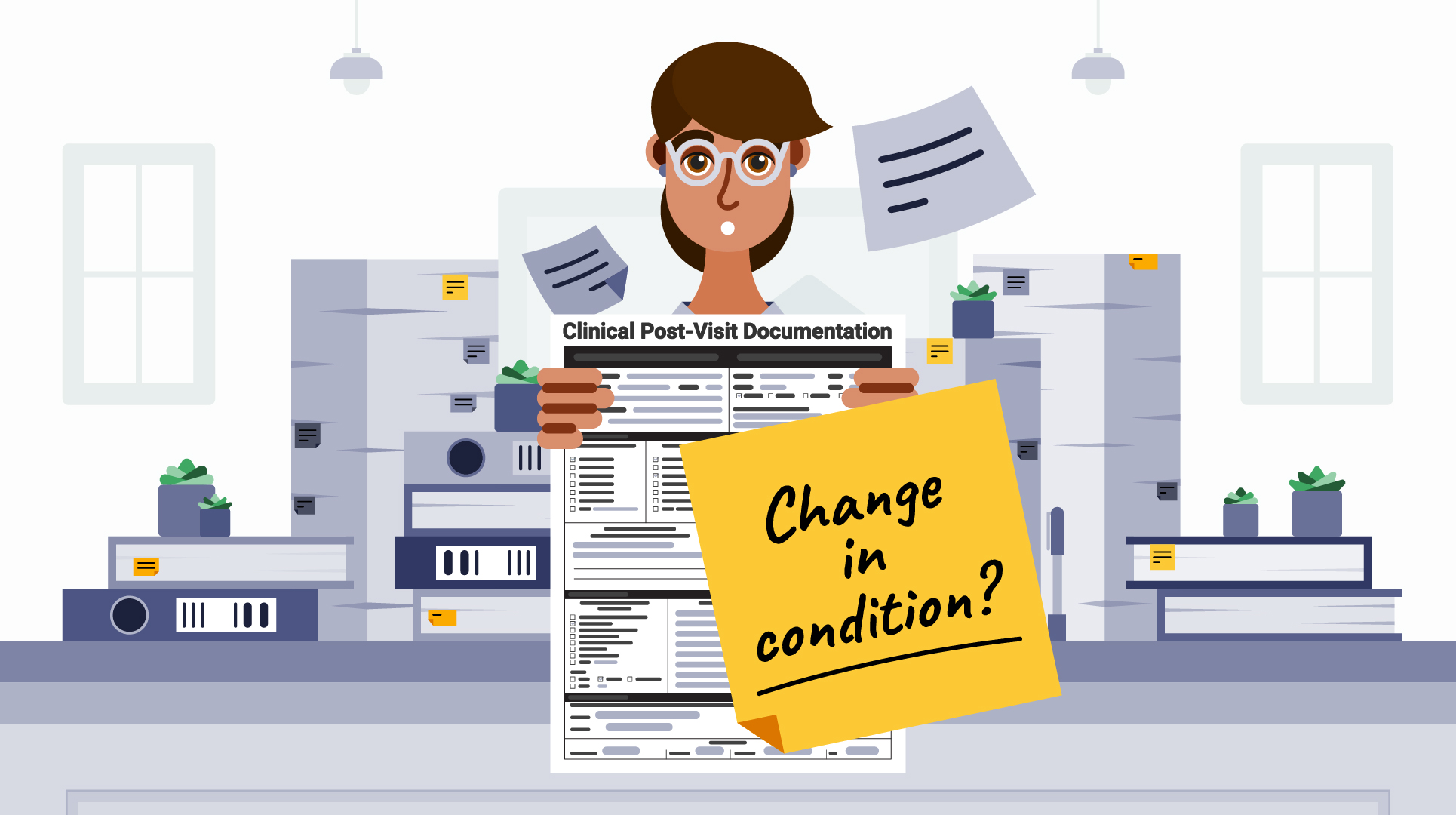
- Reducing Hospital Readmissions: Tracking discharge instructions, monitoring medications, and ensuring follow-up care helps staff identify residents at risk of being readmitted and take timely action to prevent avoidable hospital visits.
- Detecting Early Cognitive Decline: Monitoring subtle behavioral changes over time can uncover early indicators of dementia or other cognitive issues, allowing for prompt assessments and personalized care interventions.
When communities can centralize information, they can identify risks earlier and take necessary steps to intervene. Instead of reacting after an incident occurs, operators can begin predicting and preventing issues before they escalate.
This proactive approach is one of the defining characteristics of value-based care.
The Growing Role of Data Transparency
In senior living today, data is more than a clinical tool—it’s a strategic asset.
Data transparency is becoming increasingly important to families, healthcare partners, and regulators. Communities that know how to capture and communicate insights are better positioned to lead.
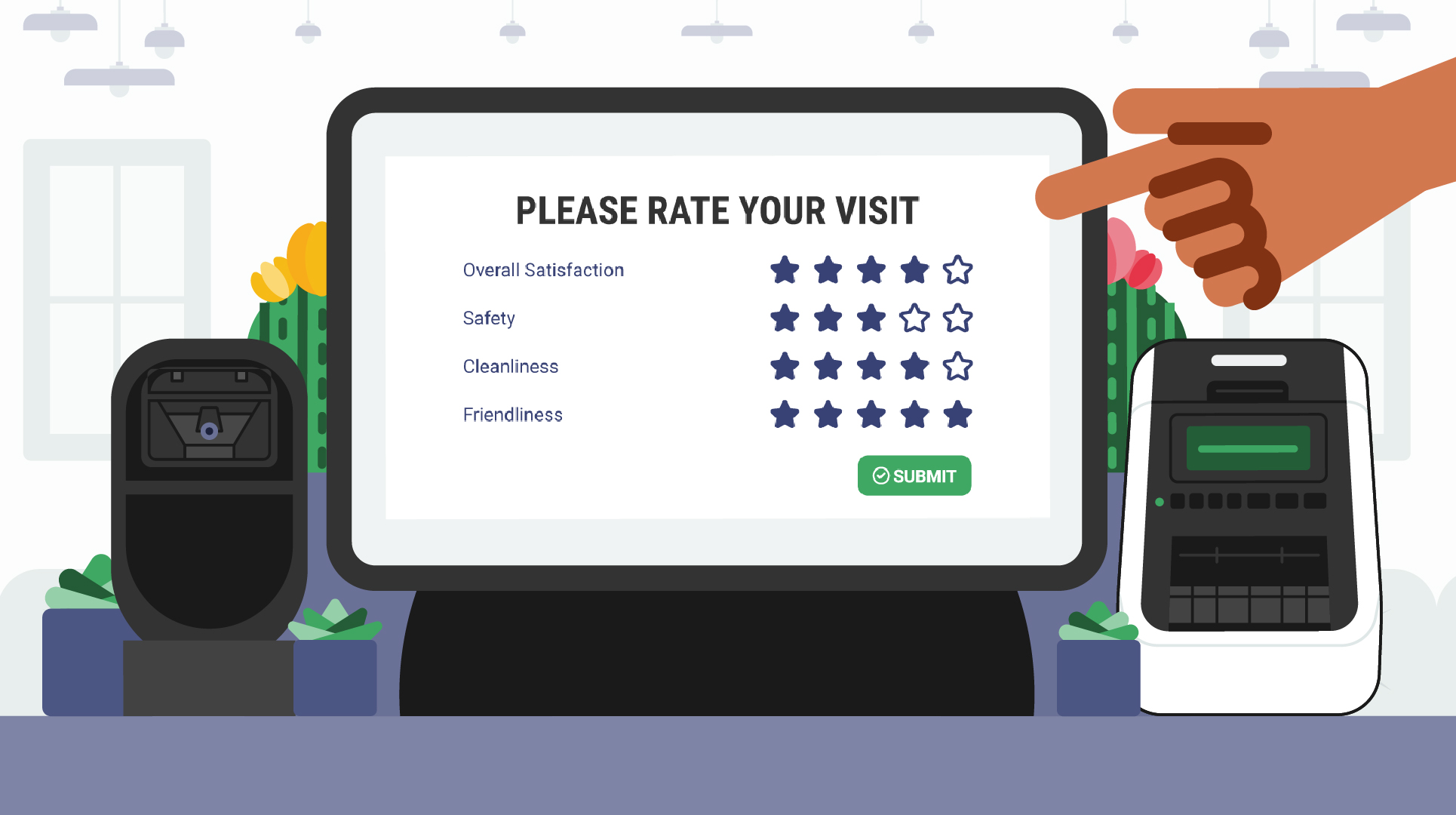
Real-time reporting allows operators to demonstrate quality care outcomes while opening the door to shared savings programs and stronger partnerships with health plans. Beyond financial advantages, data transparency also fosters trust. Sharing regular visitor surveys, safety reports, and timely updates reassures families and demonstrates strong accountability to regulators.
By making data visible and actionable, communities are better positioned to strengthen reputation, increase referrals, and build stronger partnerships.
5 Technologies Driving Value-Based Care
Let’s explore five technologies currently driving value based care:
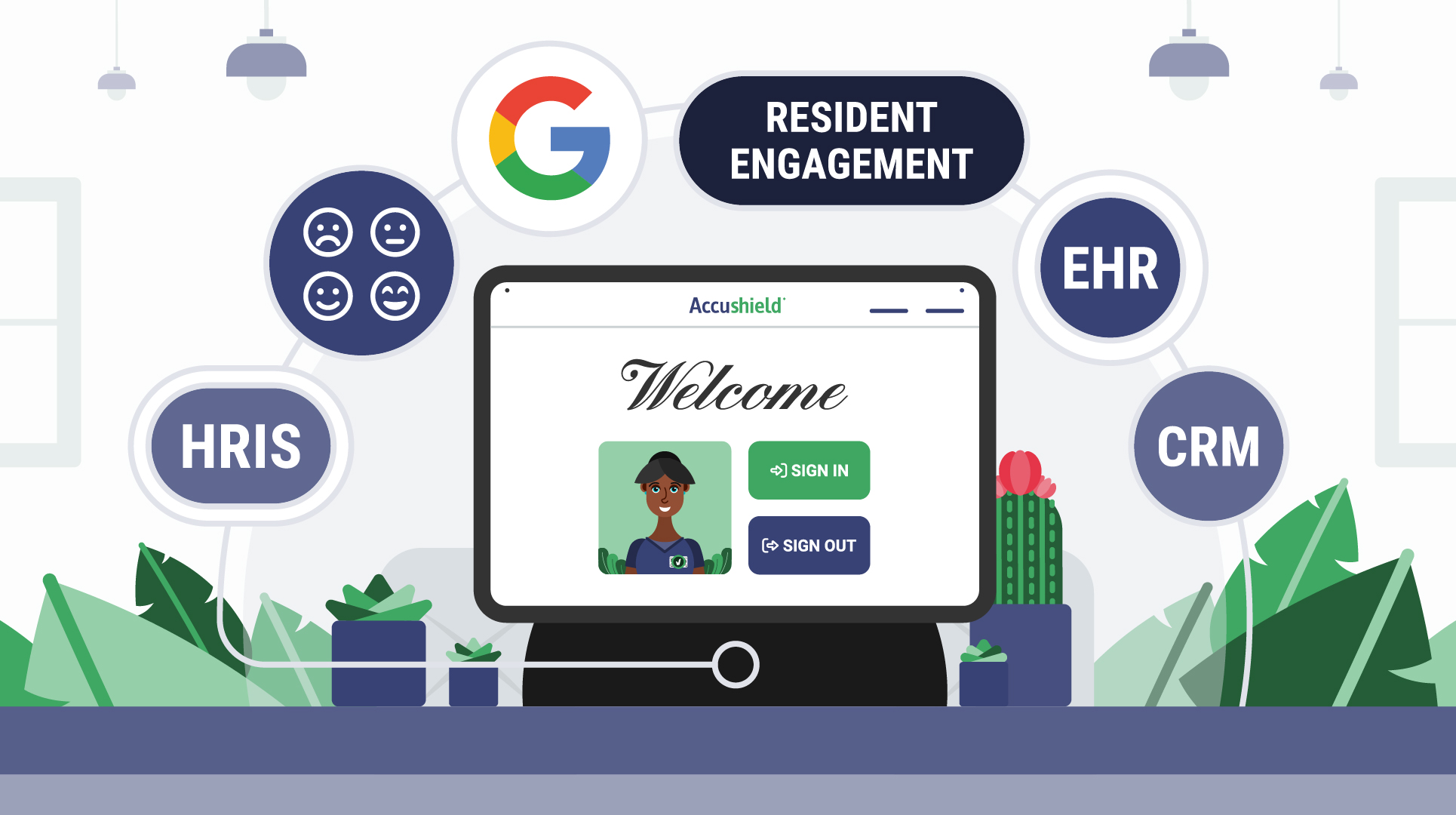
- Electronic Health Records (EHRs) – Modern EHR platforms integrate with hospitals, physician networks, and home health providers to ensure seamless care transitions, reduce errors, and improve care continuity.
- Digital Health Tracking – IoT devices, wearables, and sensors monitor wellness indicators without being intrusive, enabling early intervention when changes occur.
- Care Coordination and Communication – Secure systems align staff, providers, and families around shared care plans and real-time text or email updates.
- Visitor Management – Digital sign-in systems and credential verification for third-party caregivers ensure that only qualified individuals provide care to residents.
- Performance Analytics – Centralized dashboards track key metrics like falls, infections, and satisfaction scores, helping communities make informed, data-driven decisions.
Through connected systems, operators can provide better care while positioning themselves as leaders in the industry.
How to Get Started with Value-Based Care
Transitioning to a value-based care model can feel like a significant change, but most communities begin by taking small, intentional steps. The goal is to establish processes that prioritize residents’ needs and create measurable improvements in quality of life.
Here are some key tips and strategies:
- Educate Your Team: Make sure staff understand what VBC is, why it matters, and how their work impacts outcomes.
- Build Strong Partnerships: Collaborate with local physicians, hospitals, payers, and accountable care organizations (ACOs) to improve coordination and data sharing.
- Leverage Technology Insights: Use EHRs, wellness monitoring devices, and visitor management systems to track trends and identify early warning signs.
- Commit to Continuous Improvement: VBC is an evolving model. Continuously review data, evaluate results, and refine care strategies.
The Future of Value-Based Care in Senior Living
The future of senior living is becoming increasingly data-driven, connected, and proactive.
Value-based care offers a powerful framework for delivering higher-quality, more cost-effective care in senior living—but its success depends on having the right technology and data strategy. The future of senior living is about empowering people with technology to create safer, smarter, and more connected communities.
Embracing this model today helps build a stronger, more sustainable future for tomorrow. That is the true promise of value-based care.